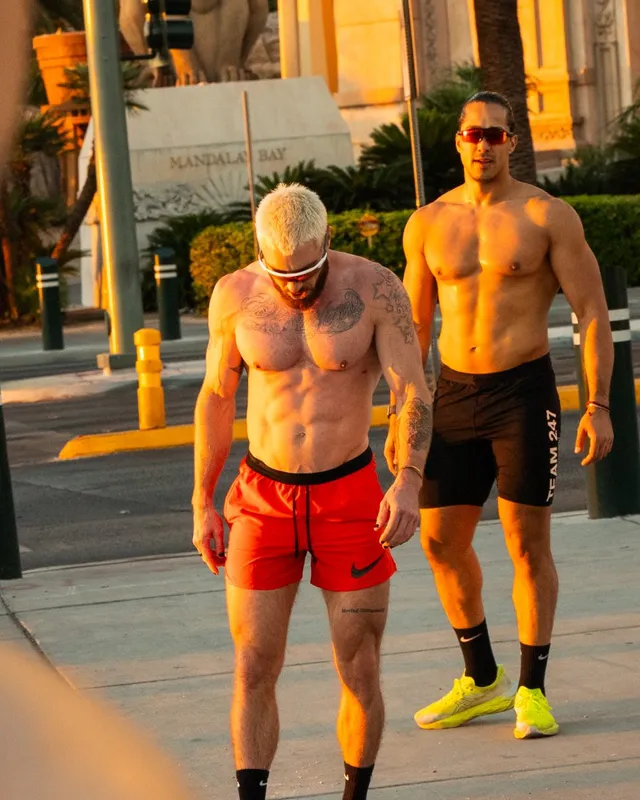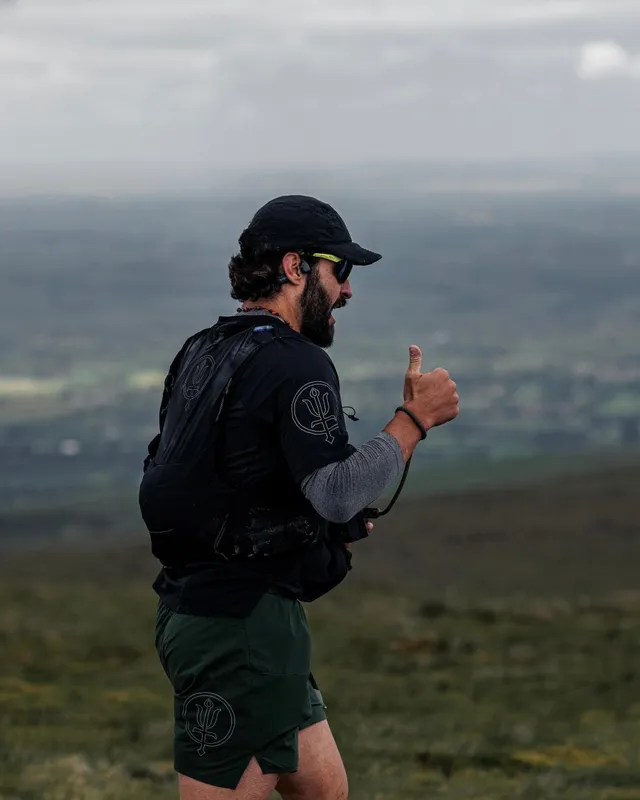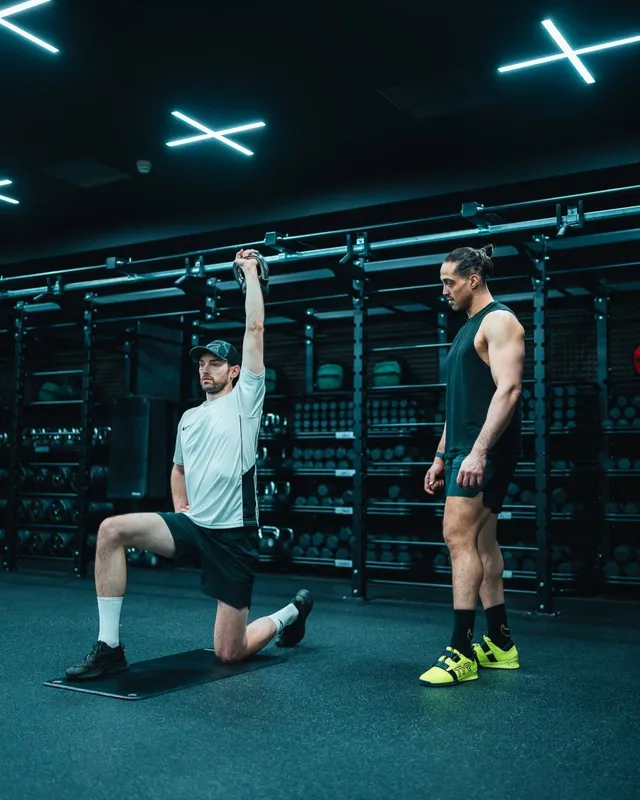
Triathlon coaching from a 2x 70.3 finisher.

Moe has finished two Ironman 70.3s training the way we coach: swim, bike and run built on top of real strength work. Three sports is already a puzzle. Dropping the gym is how the puzzle breaks you.

Start my 7-day free trial

A card starts the trial in the app. Cancel in two taps before day 7 and you pay nothing.

No spam, unsubscribe with one click.

Want it built around you instead? Apply for 1-to-1 coaching

Moe running along a wet city pavement at dusk, in black and white
A session in the app: the back squat ticked off, then the front squat set by set with its reps, load and last time

The gap in most 70.3 training plans

Most half ironman training plans are meticulous about swim, bike and run volume and vague about everything else. Strength gets a token line ("two short S&C sessions a week") and it's the first thing deleted when the plan gets busy. That's exactly backwards for age-group athletes, because for anyone juggling a 70.3 build around a job, durability is the whole game. The athlete who arrives at race day uninjured beats the one with better threshold numbers who cracked in week nine.

We come at triathlon from the strength and conditioning side. Moe has finished two Ironman 70.3s on this method: the same hybrid structure he races Hyrox and ATHX on, tilted toward endurance. The gym work never left the plan. That's why he made it to both start lines in one piece.

How we programme a 70.3 build
Moe head down on an air bike at a race, in black and white

The skeleton is classic and it's classic because it works: base, build, peak, taper, with a lighter week every fourth week and volume that grows toward your race honestly, from where you actually are rather than where the plan wishes you were. Most of the training is easy, about 80 percent of the time, most of the harder work sits near threshold, and that work turns into race-pace work in the race block.

  • One plan, one recovery budget. Swim, bike, run and strength are sequenced together so key sessions land fresh, the same interference management that makes hybrid training work anywhere.
  • Strength that persists. Two heavy sessions a week, and one in the race block, never taken to failure. Single-leg work in every lift, because a long build punishes weak links.
  • Brick sessions and race specificity. Bike-to-run bricks, open-water preparation where you have access, and long sessions built to your actual race: its terrain, its climate, your realistic finish time. In the race block the long run moves to Saturday, so it lands on fresh legs.
  • Check-ins that close the gap, on 1-to-1. Triathlon plans fail in the space between what was written and what actually happened. On 1-to-1 coaching, weekly check-ins through the app are where that gap gets caught early.

Programme or 1-to-1

The Triathlon programme in the app is continuous training up to 70.3 distance at your own pace, with a race block to switch into when you book a race. 1-to-1 coaching is the bespoke build: your race calendar, your weekly hours, your limiters, with direct access to Moe. Apply for the free intro call and we'll tell you honestly which fits, including when the answer is the cheaper option.
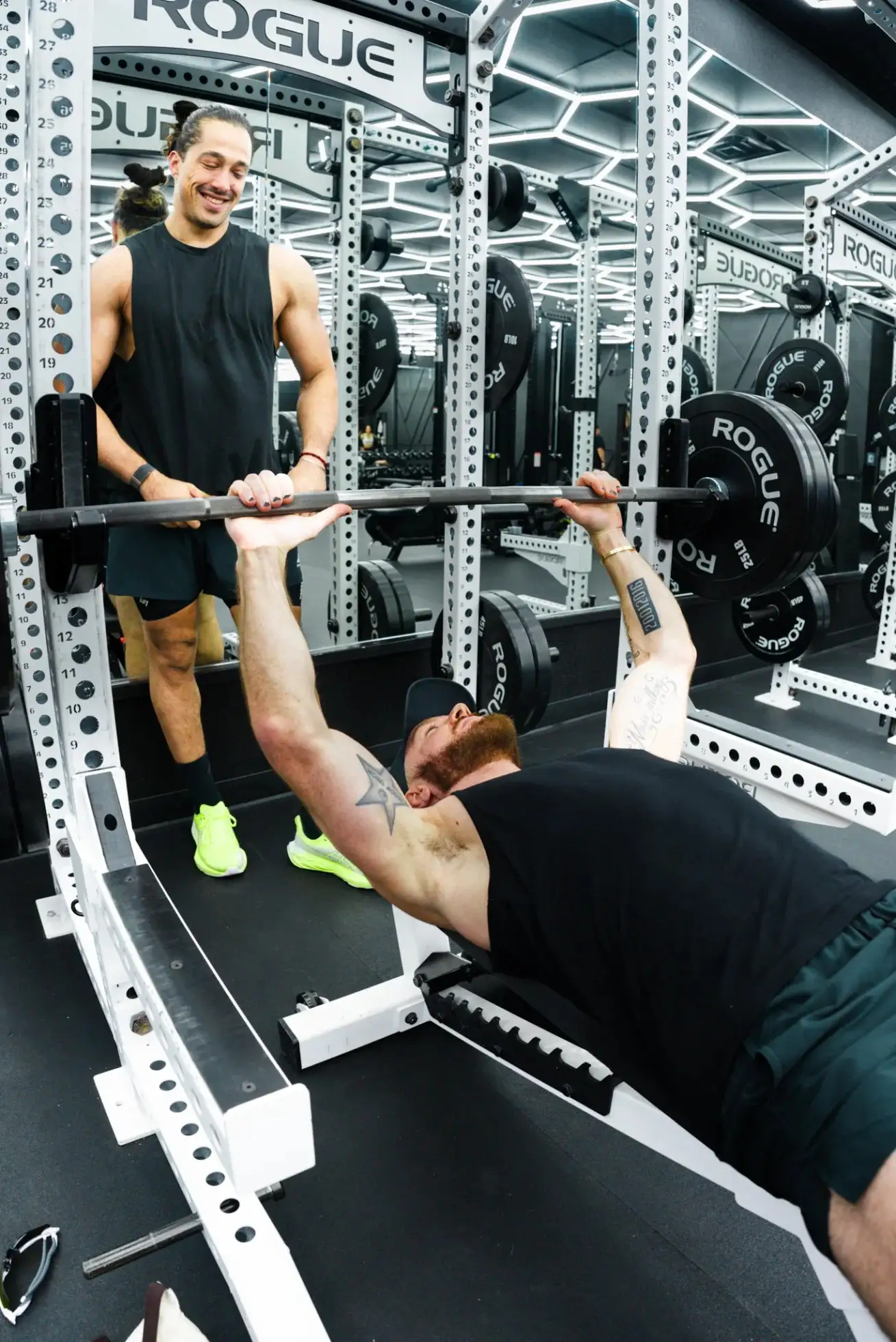
Moe spotting a client on the bench press in the gym, in black and white

What you get.

  • Swim, bike and run planned as one week, not three hobbies.

  • Strength kept in, because dropping the gym is how the puzzle breaks you.

  • Mostly easy all year, sharpening to race pace before a race, with a taper.

  • Daily sessions in the app, on your phone, with every day explained.

  • Durability work for the volume three sports actually demands.

Programme or 1-to-1 coaching?

If you are between the two, apply for the free intro call and we will tell you straight which one fits, including when the answer is the cheaper one.

Ironman 70.3. Most people start here.

  • The full programme, ready to run

  • Daily sessions in the app

  • Strength, running and durability in one plan

  • Cancel anytime

£45 a month

Start my 7-day free trial

7-day free trial included

Is this you?

Who is writing this?

Moe coaches on the floor at Third Space, one of London's most exclusive private gyms, and online through Train With Moe. He races on his own programming: sub-70 in his first Hyrox in the Pro division, an ATHX World Championship qualification racing Pro, and two Ironman 70.3 finishes, with years of physique and jiu jitsu before that. So the problem clients bring us is one he has already solved for himself: how do you get seriously strong at one thing without falling apart at everything else?

More about Moe
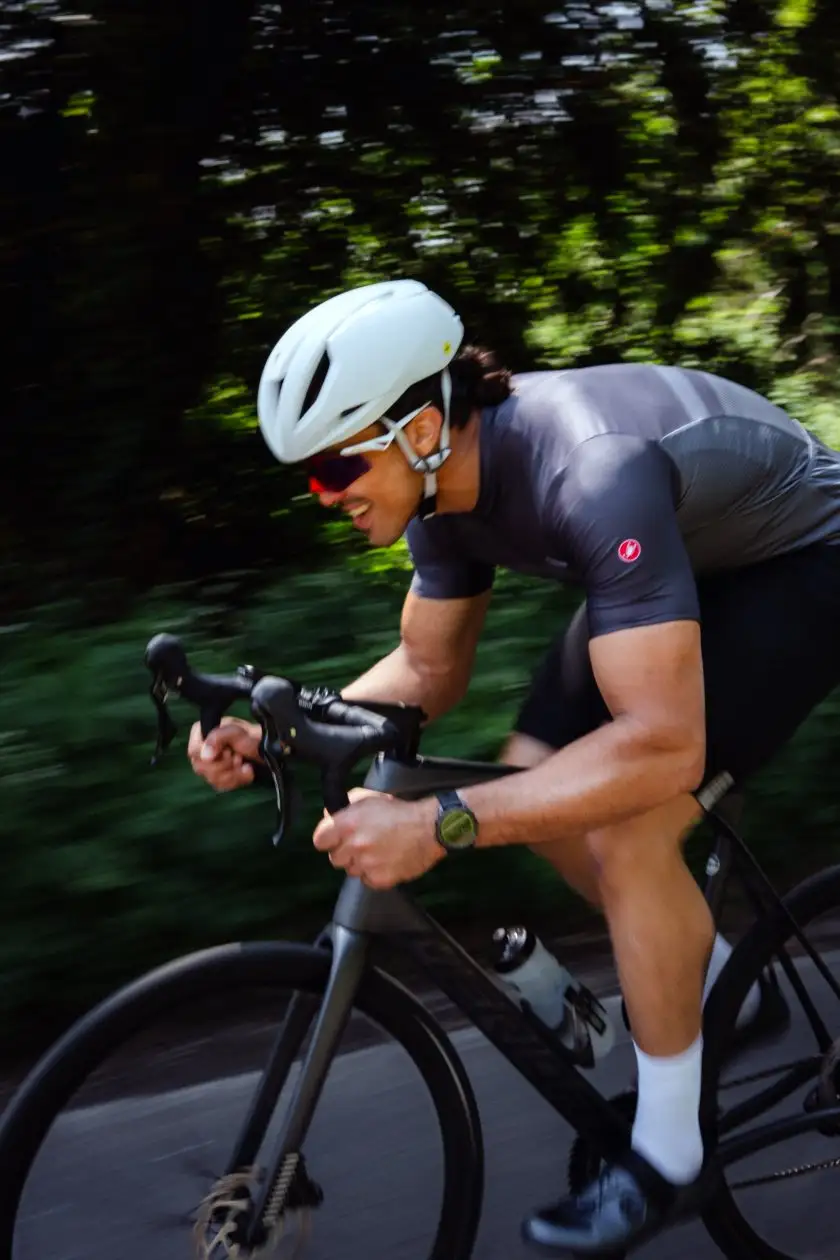
Moe riding a road bike hard under trees, in black and white

From clients. In their own words.

Frequently asked questions. Answered by Moe.

Do triathletes really need strength training?

In our view, yes, and the research on heavy strength work in endurance athletes points to better cycling efficiency and running economy. Both of Moe's 70.3 builds kept the gym in year-round, scaled to the phase. It's non-negotiable in every plan we write.

How many hours a week does 70.3 training take?

Builds commonly start around five to six hours a week and grow toward ten to twelve at peak, over several months for a first-timer with a base. Consistency beats totals, which is why we build the plan around hours you'll actually hit.

Can you coach my swim remotely?

On 1-to-1 coaching, video makes it workable: you film sets, we review them and give specific corrections through the app. For a deep technique rebuild, we'll say honestly that a few in-person swim lessons alongside the plan are worth the money.

What distances do you coach?

Sprint through 70.3. We don't currently take on full-distance builds. Up to the half is where Moe has raced twice and where the method is proven.

How does the free trial work?

Full programme for 7 days, free. Cancel inside the trial and you pay nothing; otherwise it rolls into the monthly subscription, cancel anytime.

Ready when you are.

Start the programme in the app with the first 7 days free, or apply for 1-to-1 coaching and book a free intro call. No pressure either way.

Keep reading.